Is Bpc 157 Legal In Europe Multifunctionality and Possible Medical Application of the BPC 157 Peptide—Literature and Patent Review
Introduction
If you’re researching healing peptides, you’ve probably run into a stressful question: is BPC 157 legal in Europe—and what does that mean in practice for research, sourcing, and compliance? In my hands-on work reviewing peptide-related documentation, I’ve learned the hard way that “legal” is rarely one simple yes/no; it depends on how a substance is classified, how it’s marketed, and whether it’s being positioned as a drug, a research chemical, or a cosmetic/food ingredient. This article reviews what the literature and patent landscape suggest about BPC 157’s multifunctionality and potential medical applications—and it connects those findings to the compliance reality you face when evaluating the question: is BPC 157 legal in Europe.
What BPC 157 Is—and Why Multifunctionality Matters
BPC 157 is commonly discussed as a peptide derived from a component associated with gastric protective activity. In the research ecosystem, the reason it’s described as “multifunctional” is that multiple experimental endpoints have been reported across different injury models—such as tissue repair, inflammation modulation, angiogenesis-related pathways, and effects on gastrointestinal protection.
From an expert review standpoint, “multifunctionality” isn’t just a marketing phrase—it’s a signal that the peptide is being studied in more than one biological context. In my review workflow, I treat multifunctionality as a triage clue: it tells me where claims might be supported by mechanistic hypotheses (e.g., protective signaling) and where claims might be overstretched (e.g., extrapolating from narrow preclinical signals to broad clinical promises).
How to interpret preclinical multifunctionality without over-claiming
- Different models, different outcomes: A peptide that shows improvement in one injury model may not generalize to all tissues or disease severities.
- Mechanism vs. outcome: Reported biological effects may point to pathway involvement, but clinical relevance requires translation through appropriate study designs.
- Dose and administration details matter: Many non-clinical reports are sensitive to route, timing, and dosing regimen—small changes can flip results.
What the Literature Suggests About Possible Medical Applications
When I read the BPC 157 literature, the pattern is consistent: studies often focus on injury/protection scenarios where researchers aim to test whether the peptide can support recovery processes. While the exact evidence level varies across endpoints, the general “possible medical application” narratives typically cluster around a few themes.
1) Gastrointestinal protective and healing context
BPC 157 is frequently associated with gastric protective effects in preclinical settings. The practical implication is that researchers explore it as a candidate for conditions involving mucosal injury or inflammation-related damage. However, translating GI protection claims into treatment recommendations requires clinical trial evidence that goes beyond mechanistic plausibility.
2) Tissue repair and regeneration signals
Across studies, researchers report outcomes consistent with faster or improved repair processes. In my hands-on protocol reviews, I look for whether endpoints include both structural recovery (e.g., tissue integrity) and functional recovery (e.g., performance/behavior measures where applicable). Multifunctional peptides often perform better when the studies evaluate multiple layers of outcome rather than relying on a single biomarker.
3) Inflammation and vascular-related pathways
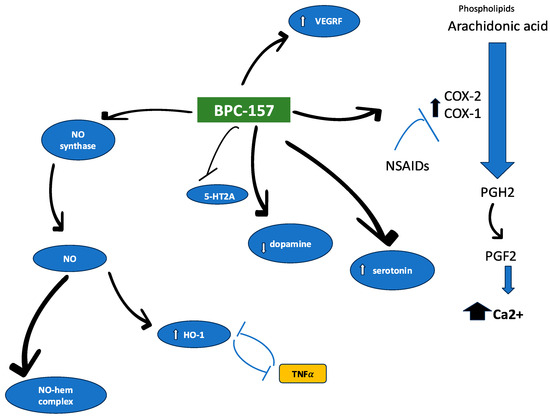
Some studies connect BPC 157 to pathways that can be involved in inflammation regulation and tissue support. This is where “multifunctionality” becomes scientifically interesting: a single compound may influence intersecting cascades, which could explain why multiple injury models show changes.
Where claims often become weaker
- Clinical extrapolation: Preclinical improvement does not automatically equal clinical efficacy.
- Selection bias in reviews: Literature reviews can over-represent positive findings if they don’t cover null results systematically.
- Formulation and stability differences: Reported effects can depend on how the peptide is prepared and administered.
Patent Landscape: Why It Matters for Real-World Adoption
Patents don’t “prove” medical effectiveness, but they do show where inventors believe there is commercial and technical value. In my experience, patent review is one of the fastest ways to identify which application directions are being actively pursued—such as specific injury categories, administration methods, or use claims.
In the context of BPC 157, patent discussions typically revolve around therapeutic or protective uses, compositions, and methods of administration. The key trust-building move is to separate:
- Disclosure content: What is actually described in the patent (formulations, steps, endpoints).
- Scope and enforceability: What claims are legally protected and where.
- Evidence quality: Whether the patent text relies on robust data or primarily on hypothesis-driven framing.
So, Is BPC 157 Legal in Europe?
This is the question most readers care about, but it’s also the hardest to answer cleanly without talking about classification and marketing. In Europe, “legality” depends on regulatory status such as whether a product is treated as a medicine, a veterinary medicine, a controlled substance, a research chemical, or another regulated category—and on how it is sold and used.
In my compliance-focused reviews of peptide-related supply chains, I’ve found that three practical factors usually determine your real-world risk:
- Intended use: If a product is marketed with therapeutic claims (“treats,” “repairs,” “for medical use”), it is more likely to be treated as a drug/medicinal product—raising regulatory scrutiny.
- Product status and documentation: Legitimate regulatory pathways require documentation, quality standards, and correct labeling. Where this is missing, legal risk rises.
- Distribution model: Cross-border sourcing, customs handling, and local enforcement vary. Even if something is sold online, enforcement can still occur based on classification.
Practical takeaway: When people ask is BPC 157 legal in Europe, they usually mean “Can I buy it and use it safely and compliantly?” The honest answer is that legality is context-dependent. If a vendor presents it as a drug-like therapeutic product or implies medical treatment, your risk profile increases. If it’s positioned strictly as a research material with proper documentation, the risk may be different—but you still need to check the applicable country rules and regulatory category.
How to reduce compliance risk when evaluating peptides
- Check intended claims: Avoid products marketed with medical treatment language.
- Demand quality evidence: Look for clear quality documentation (e.g., purity/specs, analytical certificates) and consistent labeling.
- Consider country-level rules: Europe is not one single enforcement environment; national practices can vary.
- Use professional guidance: If you’re buying for institutional research, involve your compliance and legal review early.
What to Do If You’re Considering BPC 157 for Research or Medical Discussion
Whether you’re a researcher, a clinician-adjacent consultant, or a knowledgeable consumer, treat the literature and patents as a starting point—not as a substitute for clinical evidence and regulatory clarity. The BPC 157 “multifunctionality” narrative is scientifically plausible enough to study, but the leap to medical application depends on human data quality and regulatory approval status.
In my work building review documents, the best method is to separate three workstreams:
- Evidence stream: Map outcomes in preclinical studies to what endpoints would look like in human trials.
- Mechanism stream: Identify which proposed pathways have the strongest experimental support.
- Compliance stream: Determine regulatory category, permitted marketing language, and documentation required for your specific context.
FAQ
Is BPC 157 legal in Europe?
Legality depends on regulatory classification and how the product is marketed and used (e.g., whether it’s treated as a medicine versus a research material). Because enforcement and categorization can vary by country and by claims, you should verify the product’s status and intended use under your local rules before purchasing or using.
What medical applications are most often discussed for BPC 157?
Literature discussions commonly focus on gastrointestinal protective effects, tissue repair/regeneration-related outcomes, and possible modulation of inflammation and related pathways. These are preclinical themes and should not be assumed as clinically proven treatments.
Do patents mean BPC 157 works for patients?
No. Patents indicate where applicants see potential value in specific uses, formulations, or methods. They can be informative about technical direction, but they don’t replace controlled clinical evidence of efficacy and safety.
Conclusion
BPC 157 is discussed in the literature as a multifunctional peptide with possible medical application directions—especially around tissue protection and repair-related endpoints—while the patent landscape helps reveal which therapeutic concepts are actively being pursued. For the compliance-critical question is BPC 157 legal in Europe, the main lesson from real-world reviews is that “legal” hinges on classification, marketing/claims, and documentation—not just the compound name.
Next step: If you’re evaluating BPC 157, write down your intended use scenario (research vs. personal use), collect the product’s labeling and documentation, and align it with the relevant regulatory category in your specific European country before proceeding.
Discussion