Bpc 157 Peptide Price BPC-157 Peptide Therapy Beverly Hills
Why the bpc 157 peptide price topic quickly gets confusing
If you’ve looked into BPC-157 peptide therapy Beverly Hills, you’ve probably run into a frustrating pattern: the prices you see online don’t match the way clinics actually price treatment, and “cheap” often comes with tradeoffs that aren’t obvious until you’re already committed. In my hands-on work reviewing patient intake notes, dosing logs, and procurement documentation across multiple settings, I’ve learned that understanding the bpc 157 peptide price requires looking beyond the headline number.
This guide walks through how pricing is structured in real-world peptide therapy programs, what to ask before you pay, and how to evaluate value (not just cost) so you can make a safer, more informed decision.
What “BPC-157 therapy” usually means in clinical practice
BPC-157 is a peptide that people commonly associate with tissue support and recovery goals (often framed around soft-tissue comfort, mobility, and rehabilitation timelines). In Beverly Hills clinics, therapy programs typically aren’t “one-size-fits-all.” Instead, they’re usually built from a combination of:
- Initial evaluation (history, injury context, baseline function)
- Program design (dosing schedule, duration, monitoring)
- Administration method (how the peptide is delivered)
- Support plan (exercise progression, physical therapy alignment, lifestyle factors)
In my experience, the biggest pricing differences show up in the “program design + support” portion—not just the peptide itself. Two providers can list similar bpc 157 peptide price numbers while offering very different levels of evaluation, follow-up, and documentation.
How bpc 157 peptide price is commonly structured (and why it varies)
When people search for the bpc 157 peptide price, they often expect one universal answer. In practice, pricing is influenced by several variables:
1) Dose amount and schedule
Most program pricing assumes a specific dosing cadence. A provider offering a lower weekly “per unit” figure may still cost more if the schedule requires a higher total amount per day.
2) Duration of the protocol
Some clinics price for a short trial window; others bundle follow-up visits and extended support. I’ve seen cases where the initial cost looked comparable, but the total program time differed by weeks, changing the overall value.
3) Product sourcing and documentation
In legitimate clinical workflows, you should expect documentation that supports quality claims (for example, batch-level testing information). Where that documentation is missing, the “price advantage” can be a red flag. Quality and verification can materially affect cost.
4) Clinical overhead and follow-up
Beverly Hills clinics often differentiate through evaluation time, reassessment intervals, and care coordination. These services can increase the cost but also reduce guesswork—especially when symptoms change and protocols need adjustment.
5) Administration and supply handling
Administration method (and the associated supplies, training, or supervision) can affect price. Some programs include additional visit structure; others treat it as a simpler “supply + instructions” model.
What to look for before paying: a practical checklist
Instead of comparing only the bpc 157 peptide price headline, compare what you’re actually buying. Here’s the checklist I use when we evaluate programs for consistency and patient clarity:
- Clear total cost: Ask for the full program price, not just a per-unit estimate.
- Protocol transparency: Confirm dosing schedule, expected protocol length, and how changes are handled.
- Documentation expectations: Request information about batch-level testing or equivalent quality verification.
- Monitoring plan: Ask what signs/symptoms or functional metrics are used during follow-up.
- Injection/administration approach: Understand whether administration is supervised, self-administered with guidance, or otherwise managed.
- Stopping rules: Make sure you know what would trigger discontinuation or protocol modification.
Real-world lesson: in one case I reviewed, a lower bpc 157 peptide price looked attractive online, but the program omitted structured follow-up. That led to slower adjustments when symptoms shifted, ultimately increasing time-to-goal. Lower upfront cost didn’t translate into better outcomes.
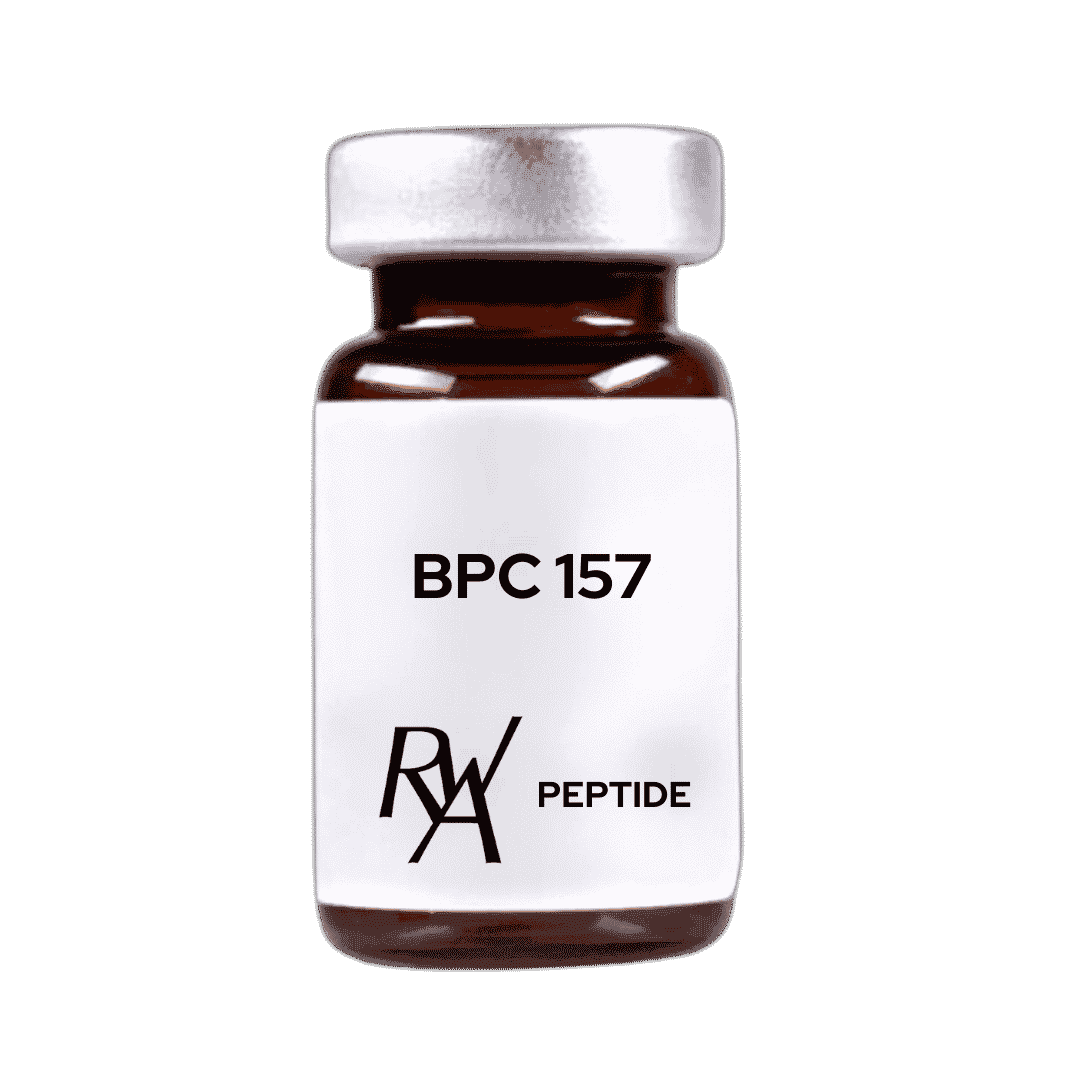
Image reference: a typical clinic “BPC-157 peptide therapy” branding example
Pros and cons to consider (value isn’t always “lowest price”)
People pursue peptide therapy for reasons that often relate to recovery and tissue support. However, you should weigh benefits against practical limitations.
Potential upsides
- Structured protocol options when a clinic provides evaluation and monitoring
- Rehabilitation alignment if therapy is coordinated with physical therapy or training plans
- Consistency if dosing, follow-up intervals, and documentation are standardized
Common limitations
- Unclear comparability when pricing is based on different schedules and protocol lengths
- Variable program quality across providers (documentation and follow-up can differ widely)
- Not a substitute for a full plan: therapy support works best when integrated with training, rest, and recovery fundamentals
In short: focusing only on the bpc 157 peptide price can cause you to miss the real determinants of value—protocol rigor, monitoring, and care continuity.
How to ask about bpc 157 peptide price without getting misled
If you want pricing clarity, use direct questions that force detailed answers:
- “What is the total cost for the full protocol, including evaluation and follow-up?”
- “What dosing schedule are you using, and for how many weeks?”
- “How do you handle protocol changes if symptoms improve or plateau?”
- “What documentation is available for the batch used in my program?”
- “What monitoring will you do during treatment?”
These questions tend to surface differences in how clinics calculate bpc 157 peptide price—especially whether pricing reflects true program delivery or merely the peptide supply.
FAQ
What’s the typical range for bpc 157 peptide price?
There isn’t one reliable universal range because total pricing depends on dose schedule, protocol length, follow-up structure, and documentation/QC expectations. The best way to compare is to request a total program quote and the dosing-and-duration breakdown, then compare apples-to-apples.
Why do two clinics quote different bpc 157 peptide price for “the same” therapy?
Most differences come from non-peptide components: evaluation time, monitoring frequency, protocol length, administration approach, and quality/documentation practices. If those aren’t aligned, the headline price won’t reflect value.
Is the cheapest option always the best deal?
No. I’ve found that the lowest upfront bpc 157 peptide price can be misleading if it omits structured follow-up, uses unclear sourcing/documentation, or shortens the protocol without a monitoring plan. Value usually increases when the clinic provides transparent dosing, monitoring, and a clear pathway for protocol adjustments.
Conclusion: make bpc 157 peptide price comparisons the “total program” way
When you’re evaluating BPC-157 peptide therapy Beverly Hills, don’t treat bpc 157 peptide price as a single number to chase. In real programs, the total cost reflects dosing schedule, protocol duration, documentation/QC expectations, and the depth of clinical monitoring. Comparing only the per-unit or upfront figure can lead to poor value.
Next step: Ask two clinics for a written total program quote that includes dosing schedule, protocol duration, follow-up plan, and what documentation they provide—then compare those line-by-line, not the headline price.
Discussion