
In the vast landscape of the internet, understanding the inner workings of critical tools and databases is essential. One such tool is WHOIS, a database that holds valuable information about domain names and their registrants.
In this blog, we will explore what WHOIS is, why it’s important, how WHOIS privacy protection works, and how to perform a WHOIS lookup.
What Is WHOIS? Online Security
WHOIS serves as a publicly accessible database that contains detailed information about domain names and their owners. This information includes the name and contact details of the domain registrant, the domain’s registration and expiration dates, as well as the domain registrar, and more. Consider it as an online directory for domain-related data.
The WHOIS database
A Whois record contains all the contact information related to the registration of a specific domain name. Typically, each Whois record will include the following details:
- Registrant or Registrant’s organization (the person or entity who owns the domain) name and contact information.
- Registrar (the organization or business entity that registered the domain) name and contact information.
- Registration date.
- Name servers.
- Last update and expiration date.
- Estimated domain age
- Most recent update
- Administrative and technical information (not always)
Ensuring the accuracy of Whois information is essential because domain registration details can become outdated over time. ICANN requires registrants to update their contact details, which can be done through the registrar’s website or a call center. It is important to note that changes to Whois records may take around 24 hours to take effect, ensuring that reliable and up-to-date data is available for contacting registrants and administrators.
Why Is WHOIS Necessary? Domain
Whois serves multiple purposes, including verifying domain name legitimacy, providing contact information for registrants, and checking domain name expiration dates. The purpose and value of the data in the Whois system has evolved in a number of ways over time, including: In the vast realm of the internet, each website is identified by a unique domain name. Behind every domain lies a wealth of informatio
Fight fraud
Supporting Businesses and Organizations in Combating Fraud, Safeguarding Public Interest, and Tracking Down Spam and Malicious Activities.
Assisting Law Enforcement in Investigations
Supporting law enforcement officials participating in national and international investigations.
Combating Misuse of Information Technology.
Addressing illegal actsdriven by racial discrimination, violence, hatred, xenophobia, and related intolerance, any form of child abuse, child pornography, pedophilia, and exploitation of human trafficking.
Enabling Trademark Clearance and IP Protection by Legal
Aiding in the identification of intellectual property infringement, theft, and misuse, in accordance with international treaties and national laws.
WHOIS Privacy Protection
The image below demonstrates how confidential information is shown by the Internet Corporation for Assigned Names and Numbers registration data lookup tool. Personalized Recommendations
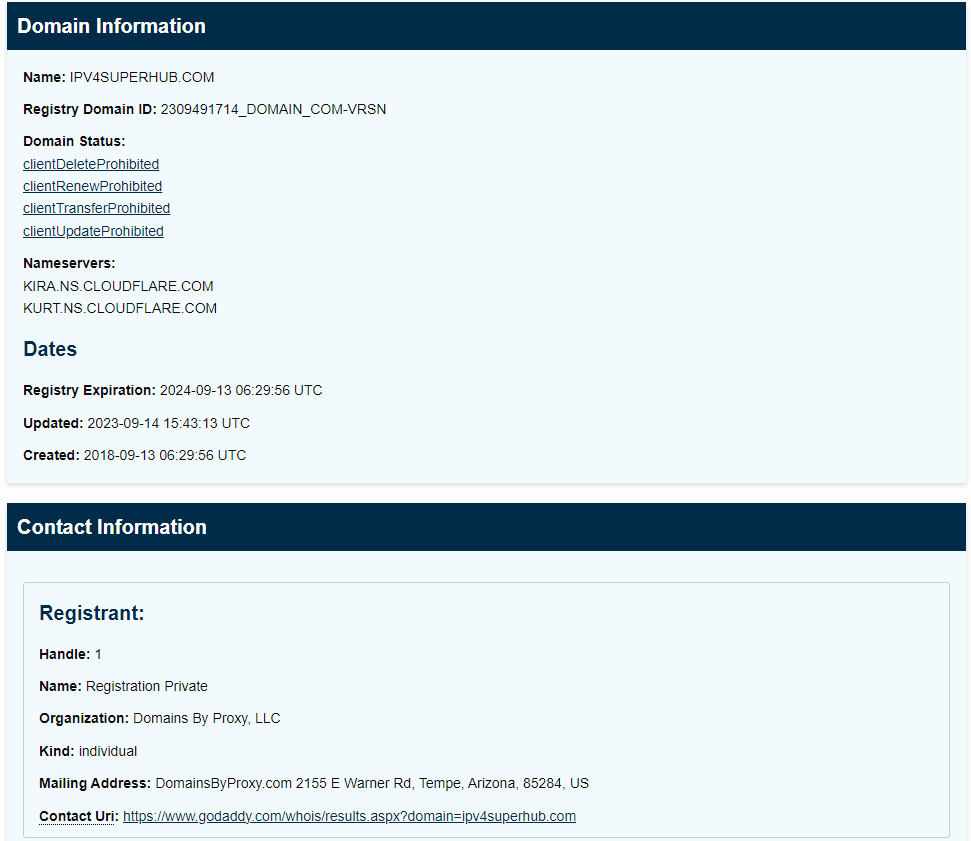
WHOIS offers valuable information but raises privacy concerns. During domain registration, individuals or organizations are required to provide personal contact information, including their name, address, phone number, and email. This information becomes publicly accessible through WHOIS, posing potential risks of spam, identity theft, or harassment for registrants. Deep Learning
To address pricacy concerns, many domain registrars offer WHOIS privacy protection services, also known as WHOIS masking or domain privacy.
These service, replace the registrant’s personal information in the WHOIS database with generic contact details, effectively safeguarding the registrant’s identity.
How to Perform a WHOIS Lookup
Performing a WHOIS lookup is simple and can be done through various online tools and websites. Here’s a step-by-step guide:
Choose a WHOIS Lookup Tool: There are many WHOIS lookup websites and tools available, such as WHOIS lookup tool or BGP.
- Visit https://bgp.he.net/.
- Type in the IPv4 Address you want to look up and click Search.
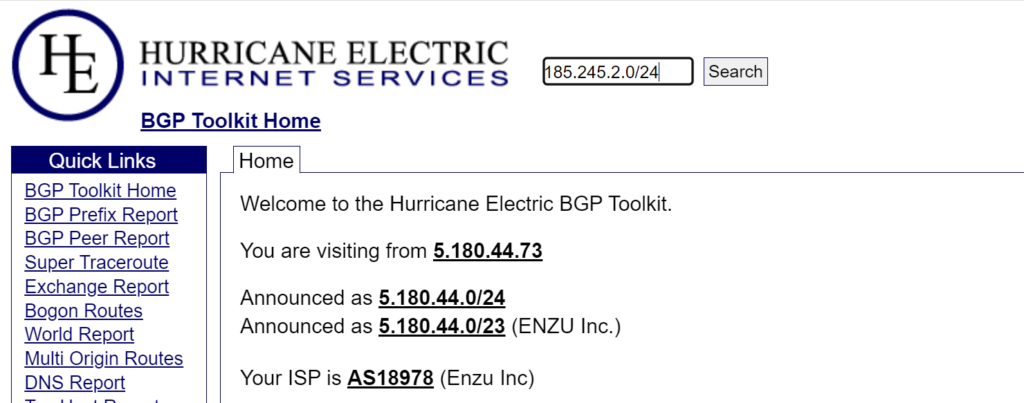
- View the Results: The tool will display information about the domain, including the registrant’s contact details, registration dates, and more.
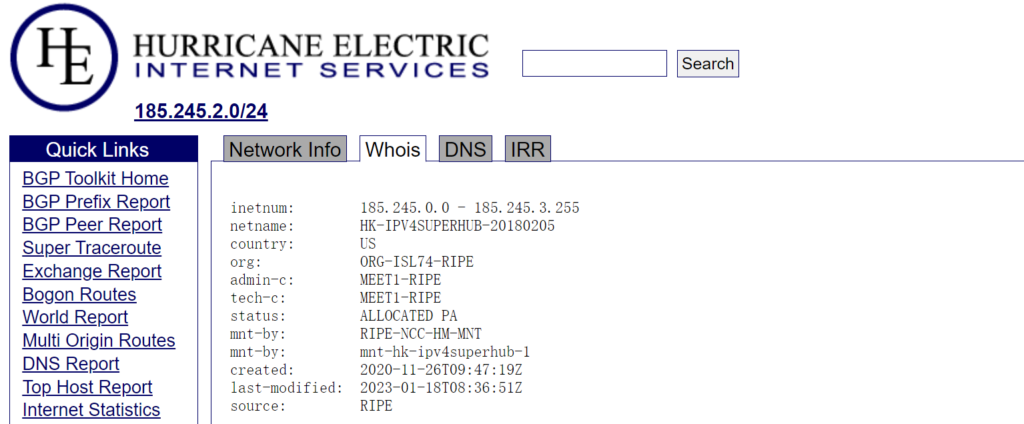
- Analyze the Data: Examine the information provided to gather insights about the domain, its owner, and its history.
Conclusion IoT (Internet of Things)
WHOIS is a crucial tool in the realm of domain management and cybersecurity. It offers transparency in the digital world by providing essential information about domain ownership. While it raises privacy concerns, these can be addressed through WHOIS privacy protection services. Understanding how WHOIS works and how to perform a WHOIS lookup is essential for navigating the online domain landscape. Whether you’re a website owner, cybersecurity professional, or just a curious internet user, WHOIS is a tool worth exploring and understanding. Cybersecurity Threats