7 min read | 10 Oct 2025 | Key words: VPN, Digital Security, Public Wi-Fi, Encryption, Privacy Protection
The Need for Digital Security
Have you ever joined public Wi-Fi at a café or airport and wondered who might be watching your online activity? In today’s hyper-connected world, protecting your personal data and privacy is no longer optional—it’s essential. From internet service providers (ISPs) to public Wi-Fi operators and advertisers, countless entities are eager to monitor your digital footprint. That constant surveillance isn’t just unsettling—it’s a real risk.
That’s where a VPN, or Virtual Private Network, comes in. A VPN is an essential tool designed to give you back control of your privacy and security online. It’s a simple yet powerful solution that provides a safe and private connection to the internet.
This guide will demystify VPNs, explaining exactly what they are, how they work, the different types available, and the key pros and cons you should know before you start using one.
What a VPN Is and How It Works
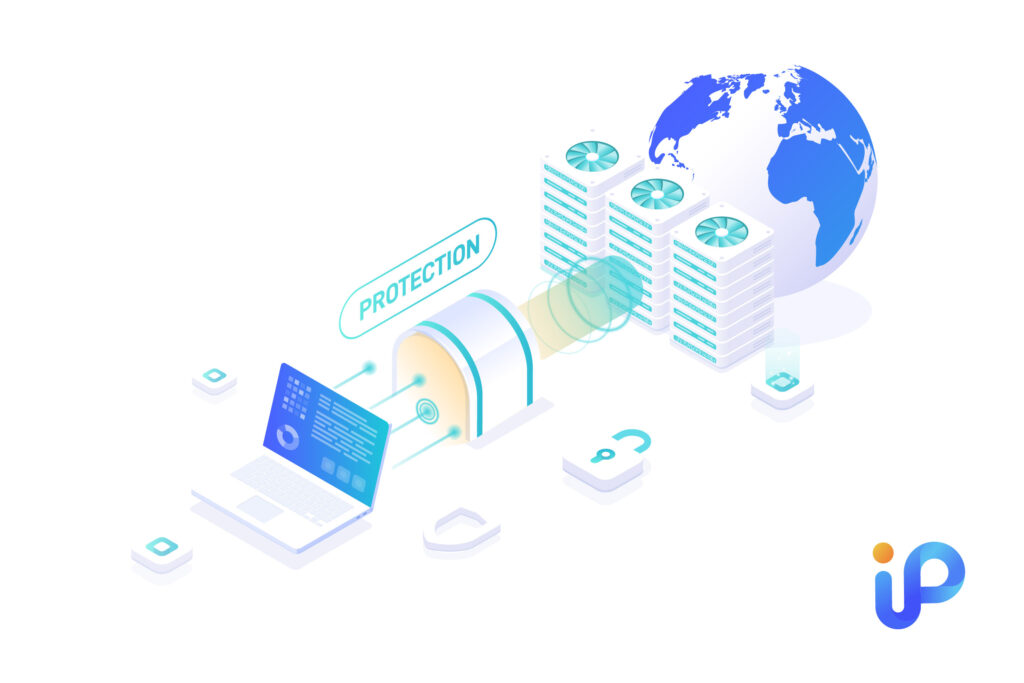
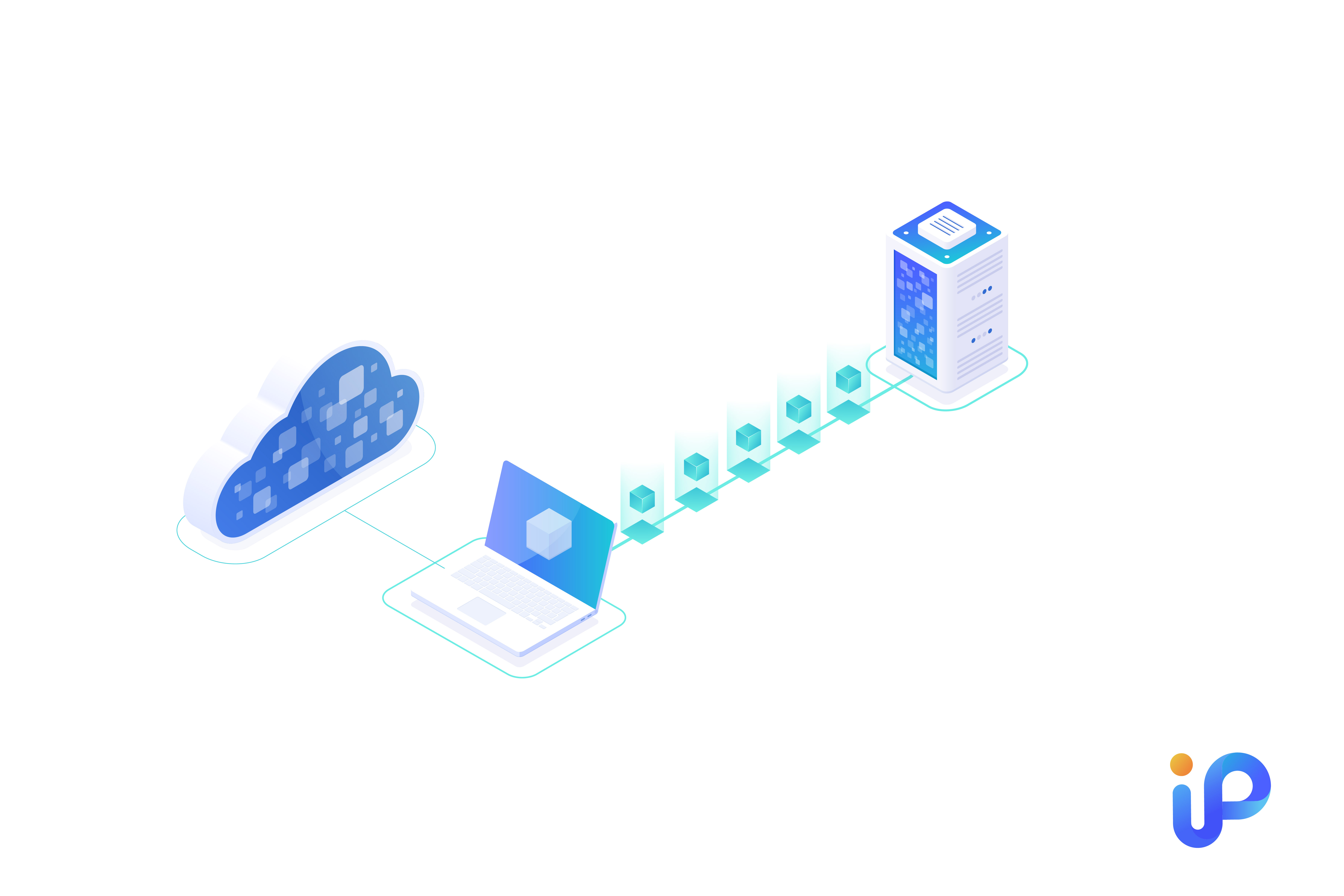
At its core, a VPN is a service that creates a secure, encrypted “tunnel” for your internet traffic. Instead of your data going directly from your device to a website or app, it’s routed through a remote server operated by the VPN provider.
The process happens in three key steps:
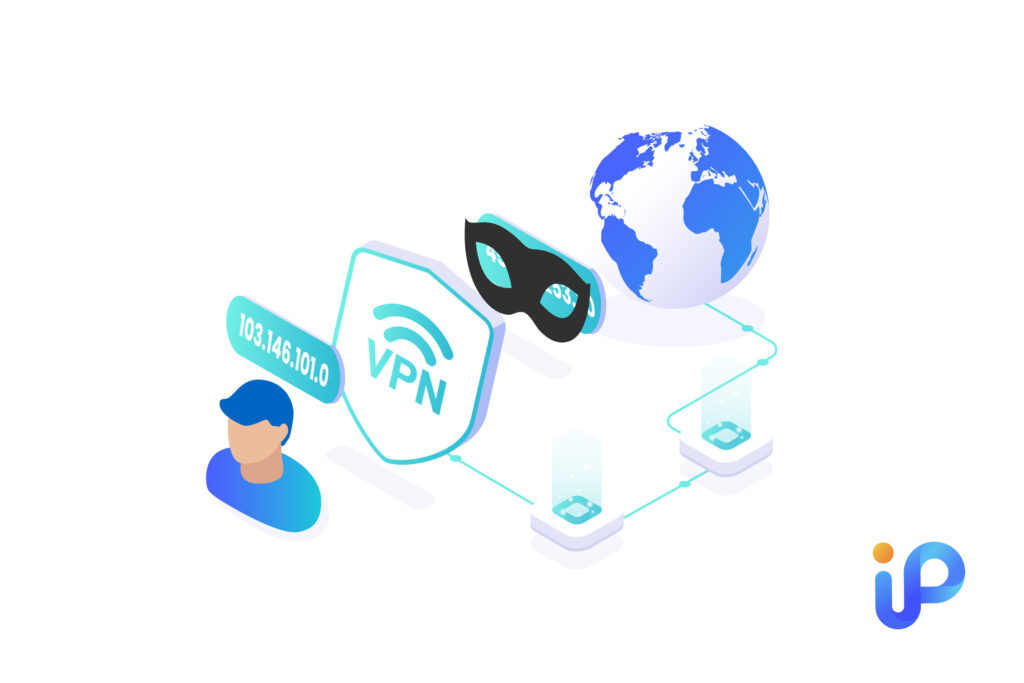
Encryption: When you turn on your VPN, your data is immediately encrypted on your device. This scrambles your information, making it unreadable to anyone who might try to intercept it, like hackers on a public Wi-Fi network.
Tunneling: This encrypted data is then sent through a secure tunnel to the VPN server. This tunnel protects your information from being seen by your ISP or any other third party.
IP Address Masking: Once your data reaches the VPN server, it exits to the public internet using the server’s IP address, not your own. This hides your true identity and physical location, giving you anonymity and privacy.
Common Types of VPNs
While the basic function remains the same, there are two primary types of VPNs built for different purposes.
Remote Access VPN: This is the most common type used by individuals. It allows a single user to connect to a private network (like their company’s internal network or a personal VPN service) from a remote location. This is what you would use to hide your IP address and protect your data while browsing.
Site-to-Site VPN: This type is typically used by businesses with multiple offices or branches. It connects two separate private networks into a single, secure network. This allows employees in different locations to share resources and communicate securely as if they were all working in the same building.
Advantages and Disadvantages of Using a VPN
Like any technology, a VPN has both benefits and drawbacks. Understanding them can help you decide if a VPN is the right tool for you.
Advantages
Enhanced Security: By encrypting your data, a VPN protects your sensitive information like banking details and login credentials, especially when you’re on unsecured public Wi-Fi networks.
Privacy Protection: It hides your IP address, preventing your ISP and third parties from tracking your online activity and building a profile of your browsing habits.
Access Geo-blocked Content: A VPN can make it appear as though you’re in a different country, allowing you to bypass geographical restrictions and access streaming content or websites only available in specific regions.
Secure Remote Access: For businesses, a VPN allows employees to securely access corporate resources from anywhere in the world.
Disadvantages
Reduced Internet Speed: The process of encrypting your data and routing it through a remote server can sometimes slow down your internet connection.
Can Be Blocked: Some websites and streaming services actively block VPN connections to enforce their licensing agreements.
Cost: While free options exist, high-quality, reliable VPN services typically come with a monthly or annual fee. Free services often pose security risks by logging and selling user data.
Is a VPN Worth It?
The benefits of a VPN, particularly its ability to strengthen security and protect privacy, often far outweigh its drawbacks. In today’s world, where personal data is constantly collected and online threats are everywhere, a VPN remains one of the most effective and accessible ways to stay safe.
Behind every secure VPN connection lies the backbone of the internet — the IP address. Reliable IP resources enable encrypted tunnels and private networks to function across the globe. At IPv4 Superhub, we work with VPN providers, data centers, and enterprises to manage and lease trusted IP addresses, helping build secure and privacy-focused connectivity for users worldwide.