8 Min Read | 30 Nov 2025 | Key Words: Firewall Protection, Network Security, Cybersecurity, Firewall Configuration, Data Protection, NGFWs
In today’s interconnected world, cyber threats are becoming increasingly sophisticated and persistent. From ransomware and phishing scams to large-scale network breaches, both organizations and individuals face constant risks. Among the most essential defenses against these dangers is the firewall, a critical security system that monitors and filters network traffic.
The following explains how firewalls protect networks in today’s digital world.
What Is a Firewall and How Does It Work?
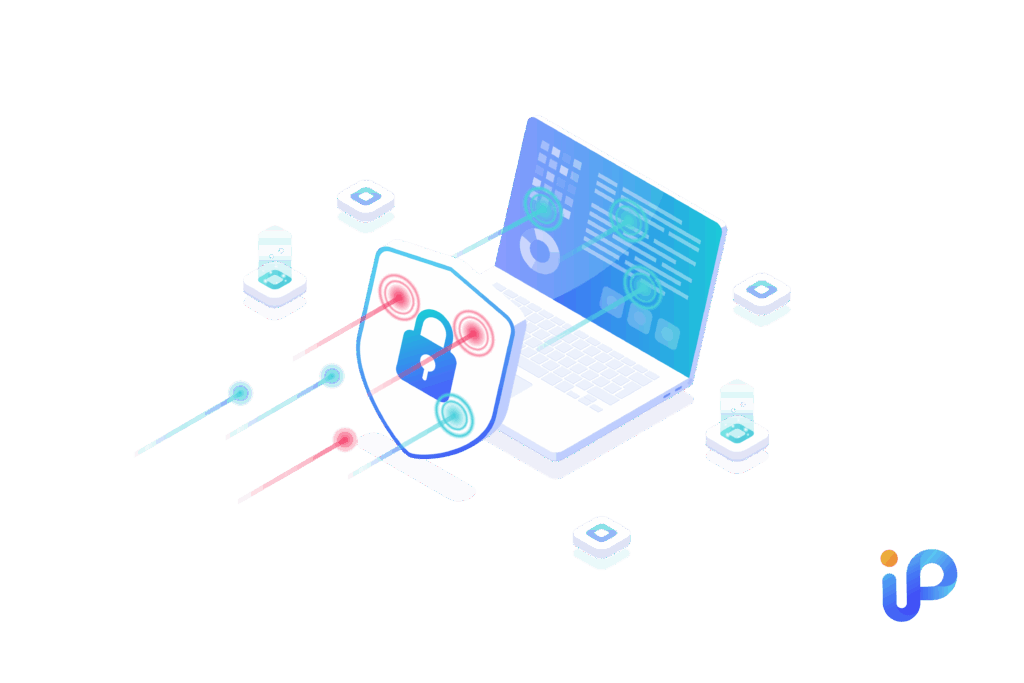
A firewall is a cybersecurity system designed to monitor and control network traffic according to specific security rules. Its main goal is to block unauthorized access while allowing safe communication between your network and the internet.
Think of it as a digital gatekeeper: only the “trusted” visitors (data packets) are allowed to pass through, while suspicious ones are turned away. Firewalls play an essential role in protecting both personal computers and large business networks from cyberattacks.
Firewalls inspect every data packet entering or leaving the network.Each packet contains information about where it comes from, where it’s going, and what it carries.
Using predefined rules, the firewall decides whether to allow or block each packet.
- Basic firewalls check the packet header (like the sender’s IP address).
- Advanced firewalls perform deep inspection, analyzing the actual content of the packet to detect malware, viruses, or suspicious activity.
In short, firewalls ensure that only legitimate data can access your private network, reducing the risk of breaches and data theft.
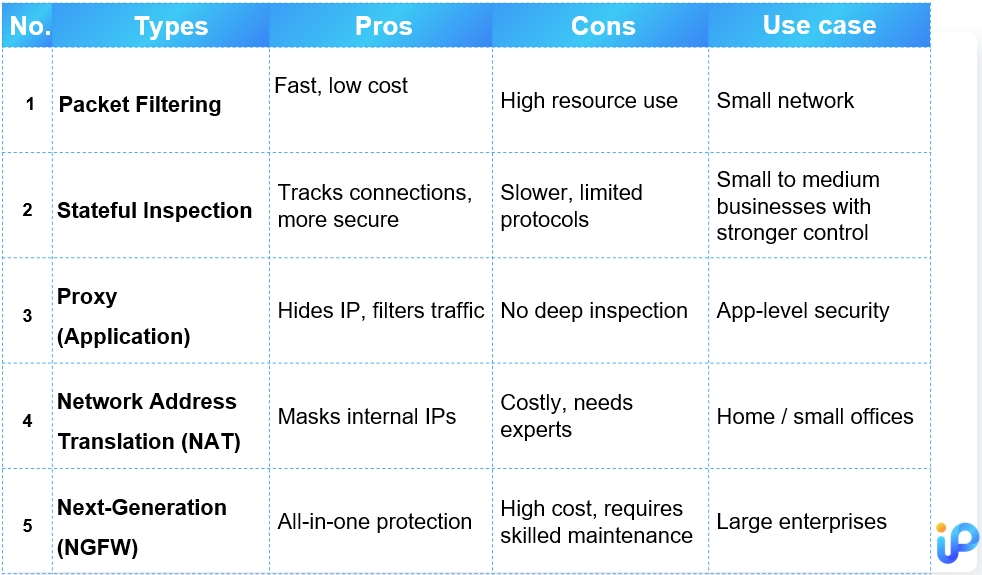
Types of Firewalls

Firewalls vary in their level of protection. Understanding their types helps you choose the right one for your needs.
Configuring a Firewall
Setting up a firewall correctly is just as important as owning one. Here are six essential steps for effective configuration:
Update the Firmware Regularly: Keep your firewall software up to date to patch vulnerabilities and maintain peak performance.
Define Firewall Zones and IP Addresses: Segment your network into zones based on security needs — for example, separating servers, VPNs, and email systems.
Create Access Control Lists (ACLs): Set rules that define which traffic is allowed or denied based on source, destination, and port.
Enable or Disable Additional Services: Use services like DHCP or NTP only if necessary. Disable unused ones to reduce potential attack surfaces.
Test Your Configuration: Run vulnerability scans and penetration tests to ensure your firewall behaves as expected. Always back up your settings before testing.
Monitor Regularly: Review firewall logs, update rules, and track unusual activities to ensure long-term protection.
Choosing the Right Firewall
Not every firewall fits every environment. The best choice depends on several factors:
- Network size: A small business may rely on one hardware firewall, while a large organization may need multiple layers.
- Data sensitivity: The more sensitive your data, the stronger the protection you need.
- Budget and expertise: Advanced systems like NGFWs require more investment and skilled management.
For small offices, a combination of NAT and packet filtering firewalls may be enough. Larger companies should consider integrating NGFWs or multiple firewalls for layered defense.
Best Practices for Firewall Management
To maximize security, follow these key practices:
- Keep firmware and software updated.
- Combine firewalls with other protection tools such as antivirus programs, VPNs, and intrusion detection systems.
- Restrict admin access and use strong, unique passwords.
- Regularly back up configurations and create a disaster recovery plan.
Cybersecurity is not a one-time setup but it’s an ongoing process that requires constant attention and improvement.
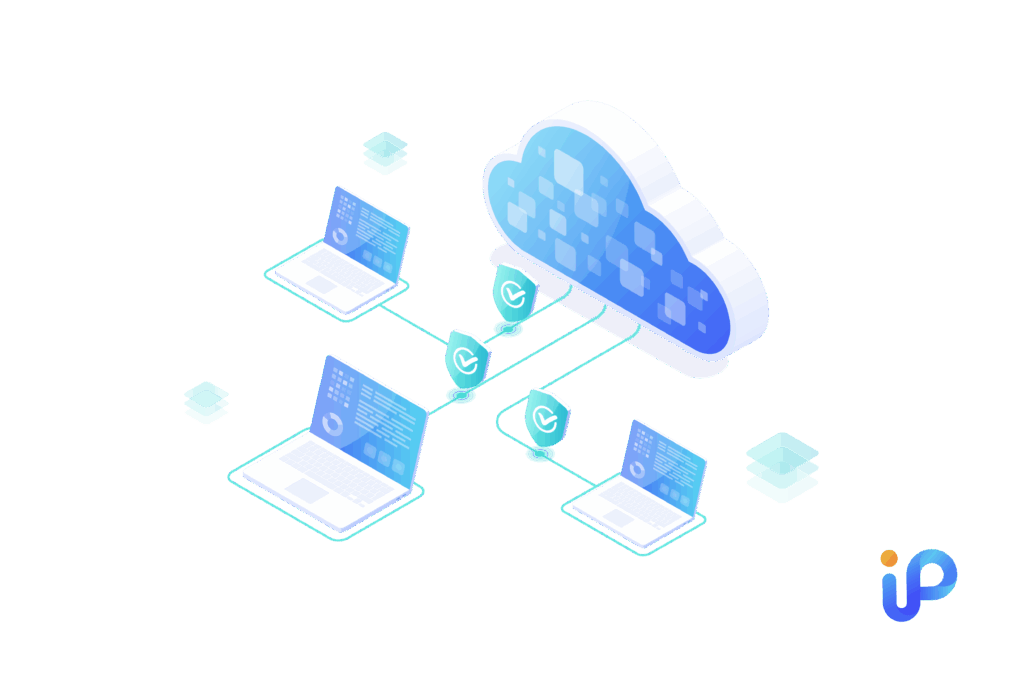
However, no single firewall can guarantee complete protection. The strongest defense comes from a layered approach by combining multiple types of firewalls and security measures.
By choosing the right solution, keeping it properly configured, and maintaining it regularly, you can safeguard your personal or business network and keep your data safe in the ever-evolving digital world.
At IPv4 Superhub, we believe cybersecurity is a shared responsibility.Through promoting IP transparency and safe internet practices, we strive to create a cleaner and more secure digital world for everyone.