7 min read | 25 Apr 2026 | Keywords: IPv4, IPv6, energy efficiency, greener internet, network performance, sustainability, data centers, carbon emissions, IPv4 exhaustion, IPv4 leasing, IPv6 adoption, transition to IPv6
Which Internet Protocol Is Greener
The transition to IPv6 holds the potential to reduce global energy consumption and support a more sustainable future in networking. However, the slow adoption of IPv6 has led to alternative approaches, such as IPv4 leasing, to address sustainability concerns during the transition.
In the field of networking, two key protocols have shaped the digital landscape: IPv4 and IPv6. These protocols enable communication and connectivity between devices across the internet. IPv4, or Internet Protocol version 4, has been the foundation of digital infrastructure for decades. However, with the rapid growth of internet-connected devices and emerging technologies, Internet Protocol version 6 (IPv6) has been introduced to address the limitations of IPv4.
In recent years, global energy usage has increased significantly due to the expansion of information technology systems. As technology continues to evolve, energy efficiency and sustainability have become important concerns. The growing number of internet users and connected devices makes it necessary to examine how network protocols such as IPv4 and IPv6 contribute to overall energy consumption. Understanding their impact is essential for building a more sustainable internet environment. The following sections explore the differences between IPv4 and IPv6 in terms of energy efficiency.
IPv4 Address vs IPv6 Address: A Brief Intro
IPv4 address and IPv6 address are the two main protocols that connect devices across the internet. IPv4 address, or Internet Protocol version 4, has been used for many years but is running out of addresses due to the growing number of devices. This shortage, known as IPv4 address exhaustion, led to the creation of IPv6, which provides sufficient address space for future growth. Learn more about IPv6 address’s rise here.
IPv4 vs IPv6
Here’s a simple table to show the main differences between IPv4 and IPv6:
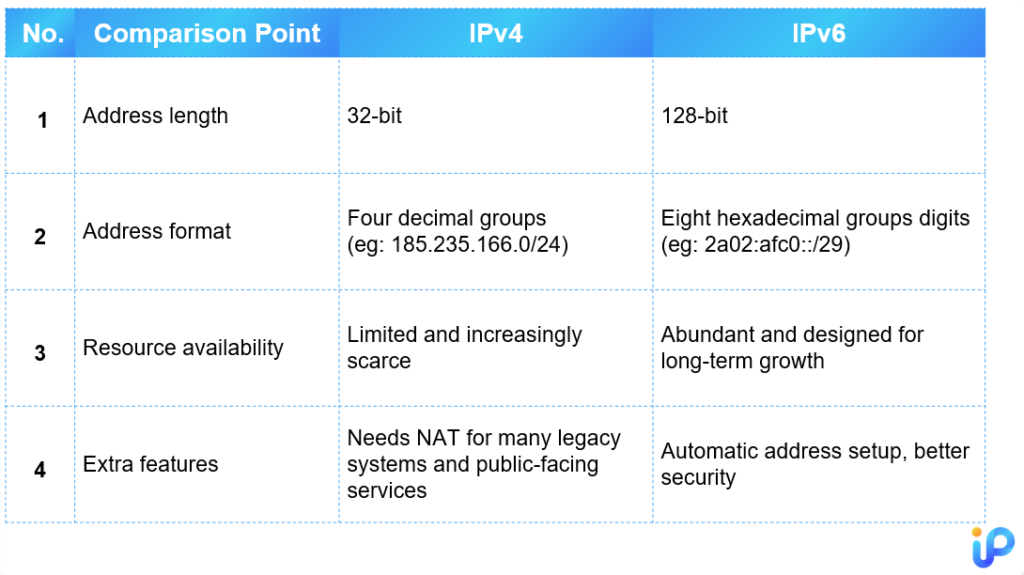
Although the structural differences between IPv4 and IPv6 are clear, their practical roles are shaped by how networks operate today. IPv4 remains essential because many organizations still rely on legacy systems, customer-facing services, and infrastructure that cannot transition to IPv6 immediately. This continued dependence is one reason IPv4 resources still hold strong operational value.
That value becomes more visible in resource management. Businesses that need to maintain continuity may still require additional IPv4 space, especially when supporting older platforms or customers in mixed network environments. In these cases, IPv4 leasing remains a practical option. Companies such as IPv4 Superhub help organizations obtain the IPv4 resources they need while they gradually plan for broader IPv6 adoption.
IPv6, by contrast, is better positioned for long-term scalability. Its role is not simply to replace IPv4 overnight, but to provide the address capacity and architectural flexibility needed for future network growth. As a result, IPv4 and IPv6 currently function less as direct alternatives and more as complementary parts of the same transition period.
From an energy and efficiency perspective, this coexistence matters. The comparison is not only about which protocol is technically more advanced, but also about how each one fits into existing infrastructure, device compatibility, and the pace of network modernization.
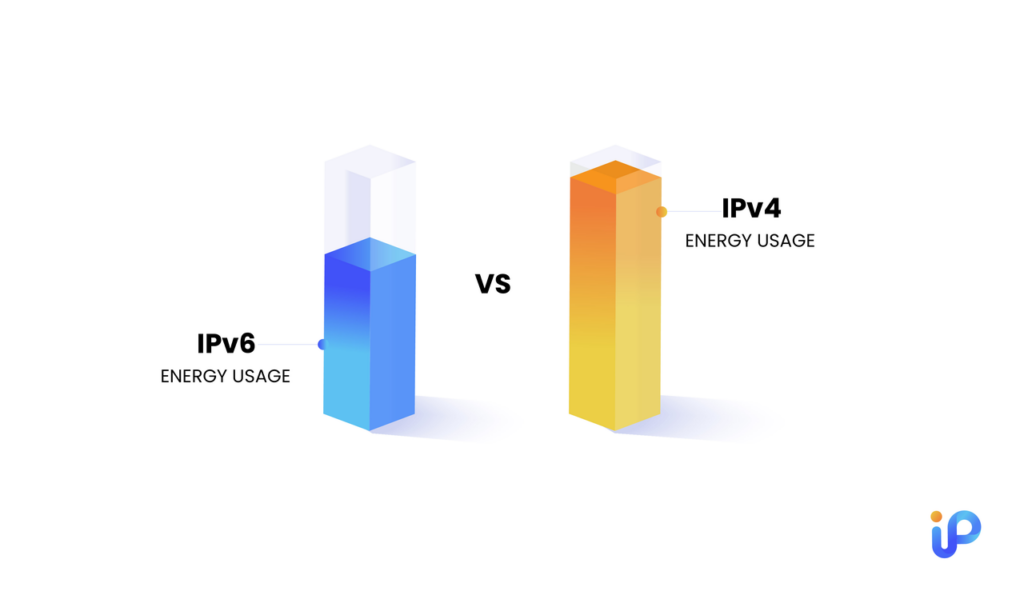
Why Energy Efficiency Matters
The differences between IPv4 and IPv6 are not limited to address structure. They also affect how network devices process traffic, allocate resources, and manage protocol overhead. The table below highlights several key areas where these differences influence energy efficiency in real-world network environments.
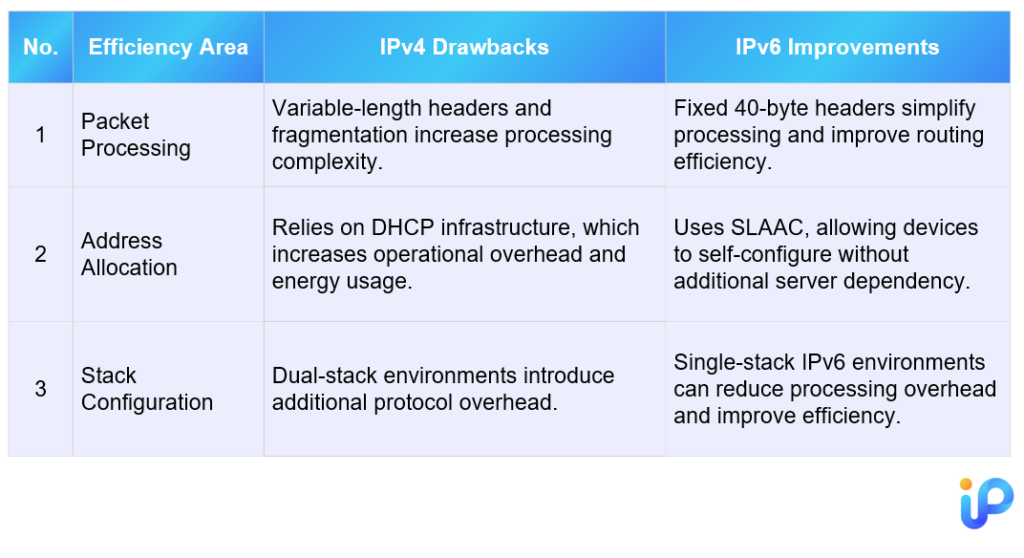
The comparison above highlights why IPv6 is often seen as the more efficient protocol in modern network environments. However, protocol design alone does not determine actual energy performance. Factors such as hardware capability, traffic patterns, and network deployment models all influence how much energy is consumed in practice.
This is particularly relevant because most organizations are still operating in a transitional phase rather than a fully IPv6-native environment. Many networks continue to rely on IPv4-based systems for compatibility and operational continuity, even as IPv6 adoption expands. In this context, efficiency is shaped not only by the protocol itself, but by how both protocols are managed within the same infrastructure.
This potential is also supported by research. An IEEE study found that IPv6 can reduce network energy consumption by 17%–30%, highlighting its role in building greener internet infrastructure.
Challenges in Adopting IPv6
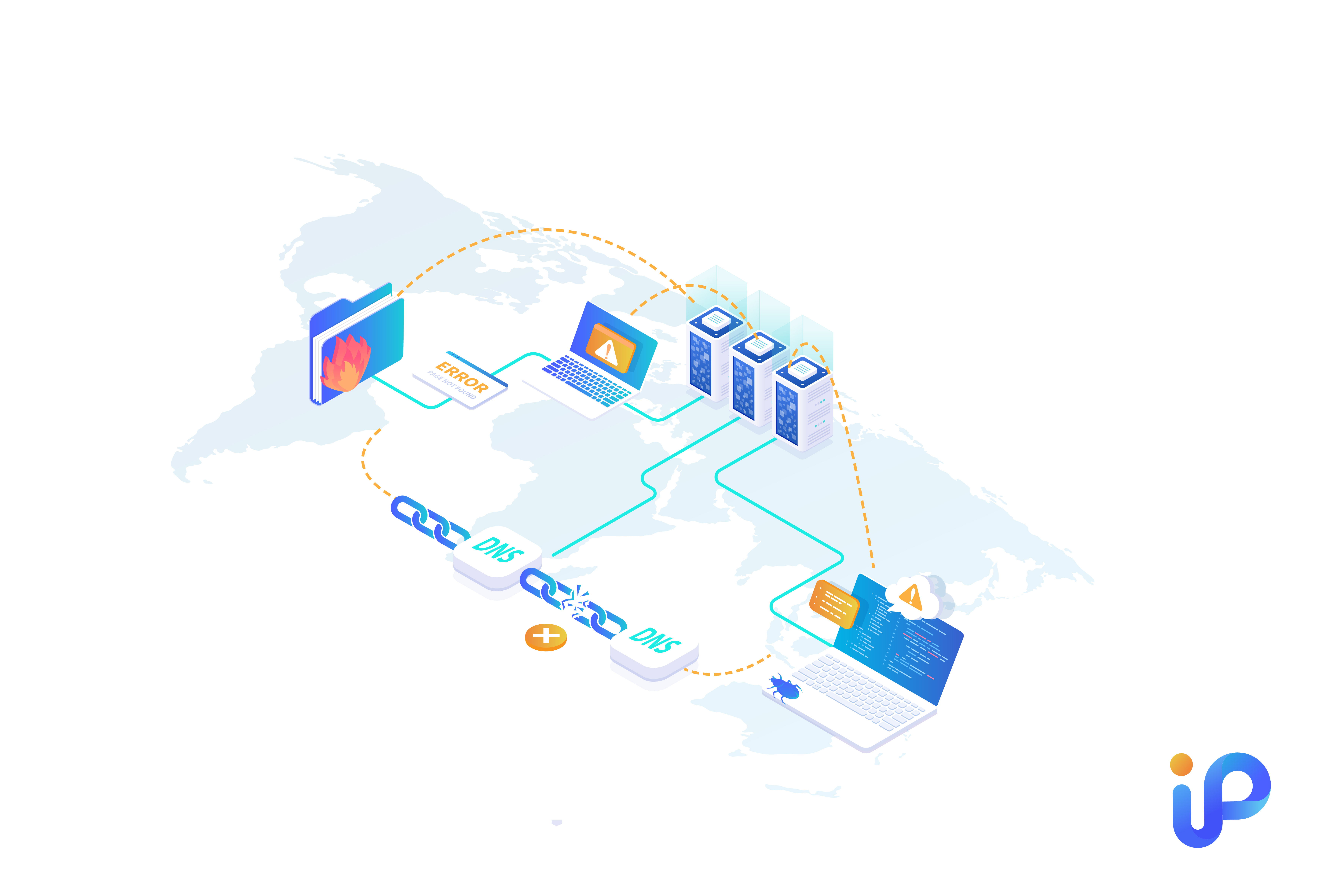
However, the transition from IPv4 to IPv6 is not without challenges. One of the main issues organizations face is compatibility with legacy systems that still rely on IPv4.
Many businesses have invested heavily in infrastructure designed around IPv4, making a complete transition to IPv6 complex and time-consuming. As a result, IPv6-only environments may face integration challenges when interacting with existing systems that are not yet IPv6-ready.
This mismatch can lead to operational disruptions, including connectivity issues between systems, reduced efficiency, and additional costs associated with upgrading or replacing legacy infrastructure.
IPv4 Leasing: A Practical Bridge
While IPv6 is widely considered the long-term solution to address exhaustion, IPv4 leasing remains a practical option for organizations seeking to bridge the gap between IPv4 scarcity and full IPv6 adoption.
IPv4 leasing involves the temporary allocation of IPv4 addresses from brokers or service providers with available resources. This allows organizations to make better use of the existing IPv4 pool and improve the utilization of a limited resource.
In practice, leased IPv4 addresses help maintain communication between legacy systems that still rely on IPv4 and newer networks adopting IPv6. Rather than forcing an immediate shift, leasing allows organizations to adapt gradually while maintaining service continuity across both environments. This reflects the reality of network transitions, where compatibility and continuity remain essential.
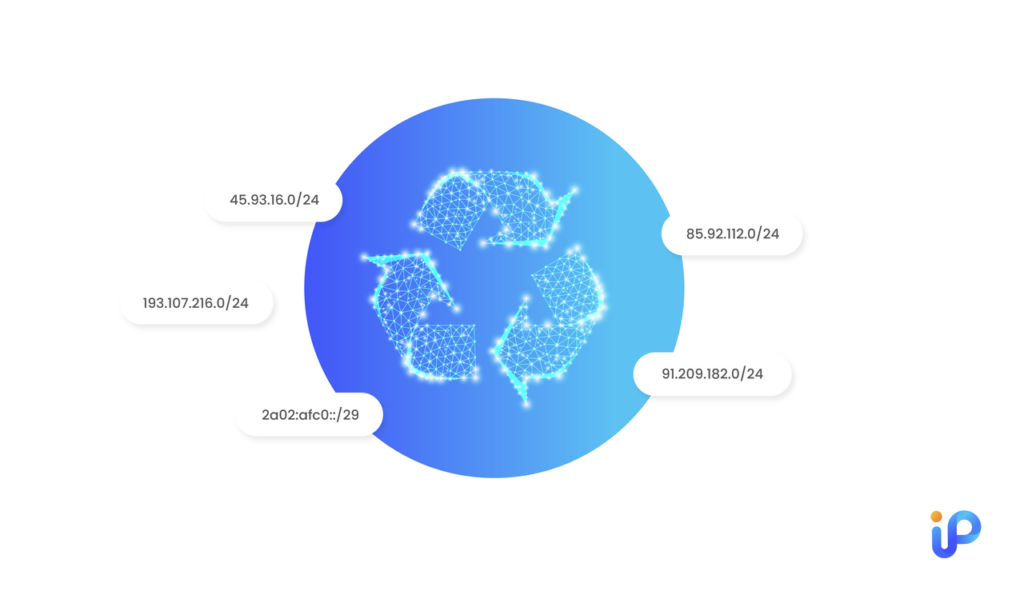
Instead of leaving unused IPv4 addresses idle, leasing enables their reuse and reduces the need for additional address allocations and supporting infrastructure. It also gives organizations greater flexibility in managing address resources, allowing them to scale operations without committing to a full IPv6 transition before they are ready. This is especially relevant for businesses with legacy systems or operational requirements that make immediate migration more difficult.
By supporting compatibility, resource efficiency, and gradual transition, IPv4 leasing continues to play an important role in helping organizations move toward IPv6 in a more controlled and practical way.
Looking Ahead: A Greener Internet with IPv6
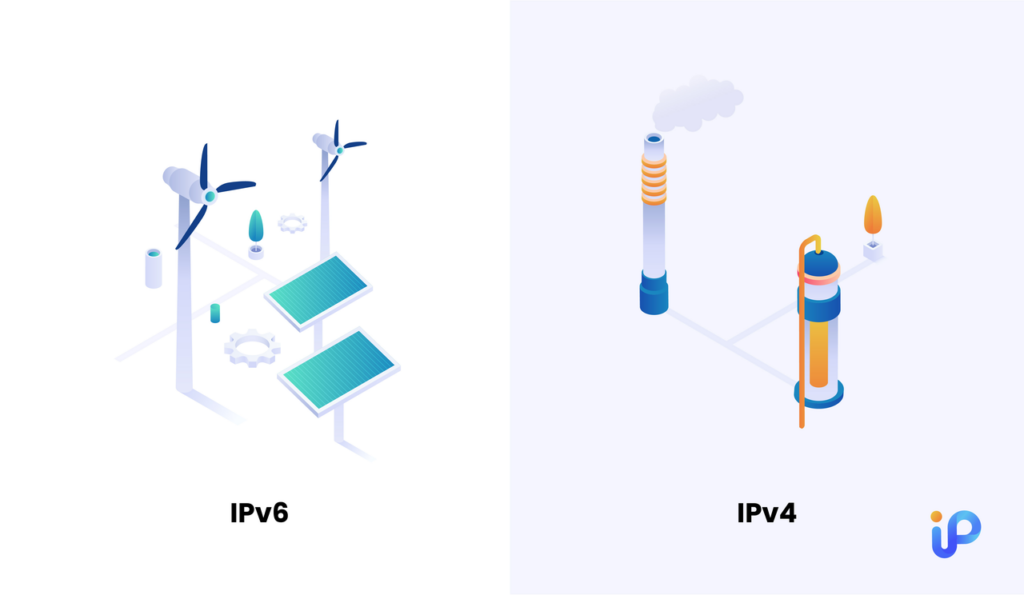
IPv6 is the greener long-term path for the internet because its more efficient address architecture, reduced protocol overhead, and lower routing complexity can support lower energy consumption across modern networks. This is why IPv6 is widely seen as a more sustainable foundation for future internet growth. While the transition remains gradual due to compatibility challenges and infrastructure costs, IPv4 leasing can still support that shift by helping organizations move toward IPv6 in a practical and less disruptive way.
During this transition, IPv4 Superhub provides leasing solutions that help organizations maintain continuity while preparing for broader IPv6 adoption, supporting a more sustainable path forward.