12 mins read | 26 Jun 2026 | Key words: Cyber attacks, network abuse, cyber crime, IP address hijacking, DDoS, DNS abuse, DNSSEC, botnet, spam, BCP 38, RPKI, Internet security, IPv4 management, abuse prevention, network protection.
Online attacks are not always simply a network problem. Most networks separate abuse into two types:
- Abuse of the network directly affects service quality, such as traffic overloads, outages, or attacks that disrupt connectivity. These issues can often be detected, reduced, or blocked by network operators.
- Abuse carried out over the network is different. The network may still be working properly, but it is being used as a tool for fraud, scams, or other illegal activities. These cases usually require law enforcement, not just technical action.
This article explains why online attacks still happen, what networks can realistically prevent, and why reducing abuse often depends on cooperation between network operators, service providers, and legal authorities.
From Curiosity to Cybercrime
Network abuse is not a new problem. In 1985, several people accessed Prince Philip’s email account on BT’s private Prestel service. The account was likely inactive and reportedly contained only unread birthday greetings for Princess Diana.According to the perpetrator, the act was meant to protest weak security. It showed how a working network could still be used for unauthorized access.
Another well-known case came in 1988 with the Morris Worm. Created by Robert Tappan Morris, it was a self-replicating program that spread through insecure software and the internet. It affected the network itself by infecting and disabling machines.
These early incidents were often driven by curiosity, protest, or technical experimentation rather than clear malicious intent. Their impact was also limited because few essential services depended on computer networks at the time. Today, the situation is very different. The internet has become a critical infrastructure for business, government, healthcare, finance, and daily communication, so the consequences of similar abuse can be much wider and more serious.
How Common Attacks Still Succeed
IP Address Hijacking
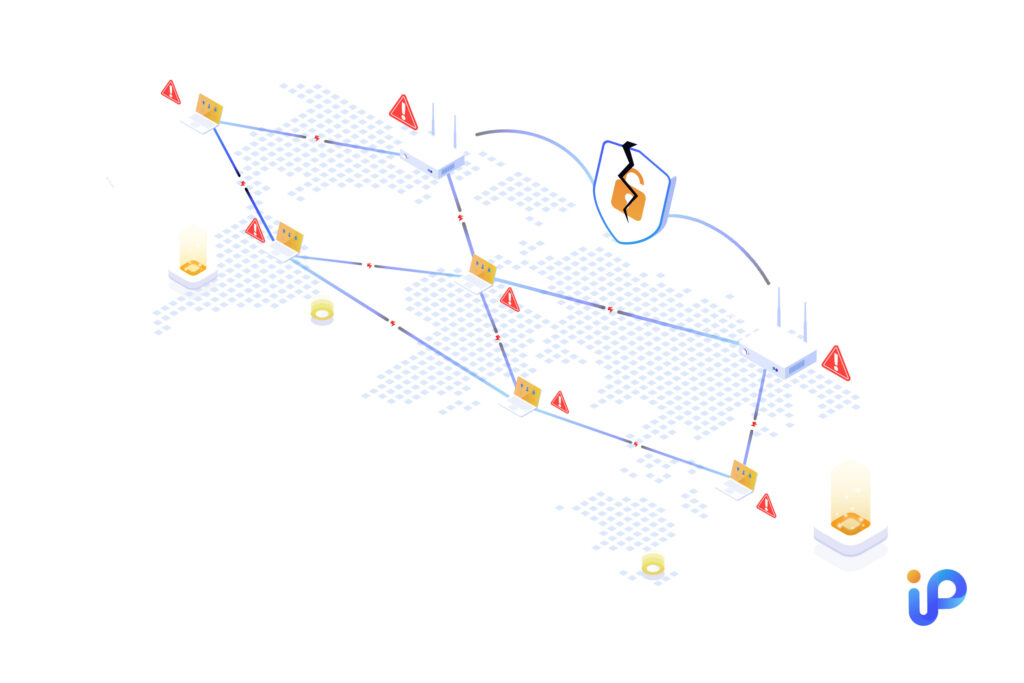
Accidental address hijacking happens when an organization announces IP addresses that do not belong to it. This may come from a typo, a wrong routing configuration, or an incorrect filter. As a result, traffic meant for the real address holder may be sent to the wrong network.
A well-known example happened in 2008, when Pakistan Telecom tried to block YouTube inside Pakistan. Because of a routing mistake, much of the world’s YouTube traffic was sent to Pakistan Telecom instead. The sudden traffic overwhelmed its network, and the issue was fixed in about an hour.
Even when the cause is accidental, the impact can be serious. The rightful network may lose traffic, while the receiving network may face outages caused by traffic it was never meant to handle.
Address Hijack: Intentional
Intentional address hijacking is more serious because it targets the registration of IP resources. In these cases, attackers may try to change official Regional Internet Registry records so they can use, transfer, or sell addresses that do not belong to them.
Hijackers have used methods such as registering a company with the same name in another country, using a similar company name, or taking over an expired domain linked to old records. These attacks have become harder as RIR checks have improved, but fraudulent transfers can still happen.
Even a temporary hijack can interrupt internet access, damage reputation, and create space for further attacks. For businesses, the risk is not only technical. It can also affect control over digital assets.
DDoS
DoS and DDoS attacks happen when a network is overwhelmed and can no longer work as intended. In the Pakistan Telecom case, the overload was accidental, but the result was similar: the network received more traffic than it could handle.
Many modern attacks are Distributed Denial of Service attacks, or DDoS attacks. They often rely on IP source address spoofing, where attackers send packets with fake source addresses. This can make one source look like many different sources.
DNS amplification is a common example. A small DNS query can trigger a much larger response, sometimes many times bigger than the original request. If enough of these responses are sent toward a victim network, the service may slow down, become costly to protect, or go offline completely.
DNS Data Abuse
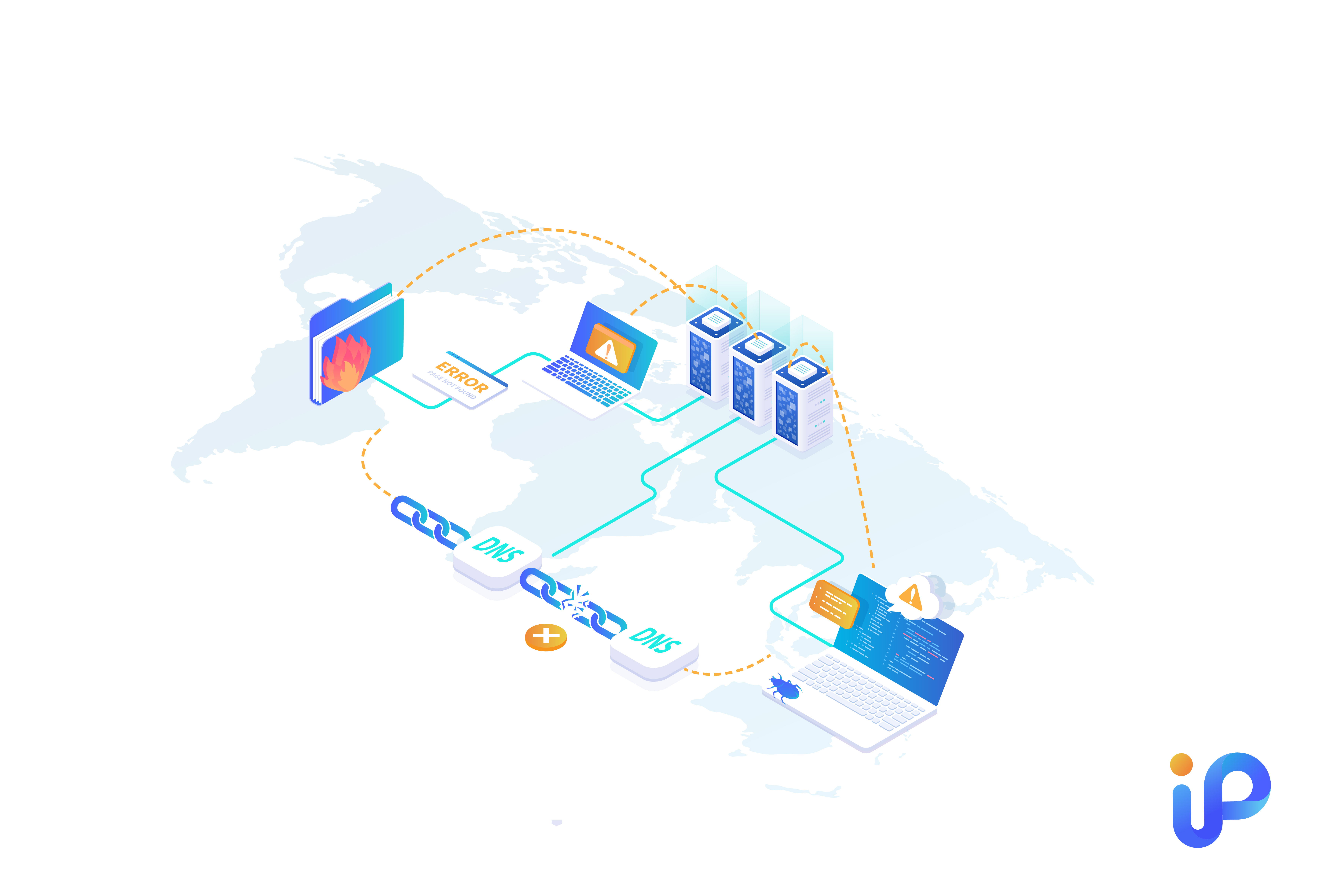
DNS abuse happens when users receive the wrong answer for a domain name. Since DNS connects domain names with IP addresses, a false answer can send users to the wrong website or redirect traffic away from the correct service.
This can happen through changes to an authoritative DNS server or through DNS cache poisoning, where attackers target the resolvers users rely on. The risk is that users may think they are visiting a trusted service, while their traffic has already been redirected. For domain owners, this can damage user trust, traffic, and brand security.
Hosting Illegal Content
Some abuse does not attack the network directly. Instead, it uses hosting services to keep illegal or harmful content online. “Bulletproof hosting” refers to providers that host content legitimate businesses would normally reject, such as copyrighted material, illegal content, hate speech, or botnet control servers.
Botnets are groups of compromised devices controlled by a third party. They are often used for DDoS attacks, spam, and other malicious activity. In some cases, illegal content is hidden on hacked legitimate websites, which makes the problem harder to notice and harder to remove.
Spam
Spam, or unsolicited commercial email, is one of the oldest forms of online abuse. It became common because large volumes of email can be sent at very low cost, even when most recipients have no interest in the message.
Spam can overwhelm mail services, fill inboxes, and damage sender reputation. Although legitimate email marketing is now more regulated and usually includes unsubscribe options, bad actors still use cheap sending methods, weak systems, and poor-quality address lists to keep spam active.
Why Prevention Keeps Failing
Many forms of network abuse share the same problem: the tools to reduce them already exist, but they are not always used consistently. For example, BCP 38 filtering has been recommended for years to reduce IP source address spoofing, but not every network has deployed it. Some operators delay upgrades because of cost, older equipment, or the disruption of changing live systems.
There is also an incentive problem. The network that pays for prevention may not be the one that receives the direct benefit. As a result, abuse continues even when the industry already knows how to reduce part of the risk. Building a stronger internet depends on more networks applying these basic protections together.
Building a Stronger Internet
If prevention often fails because adoption is uneven, the solution is not a single tool. Different types of abuse need different layers of protection, and these basic practices need to be used more widely.
For address hijacking, IRR and RPKI help networks show which IP addresses they are allowed to route. When this information is clear, other networks can more easily reject false routing claims.
For DoS and DDoS attacks, BCP 38 helps filter packets with fake source addresses. This reduces IP source address spoofing, which is often used to make attack traffic look like it comes from many different places.
For DNS abuse, DNSSEC helps verify whether a DNS answer is real. If a false answer tries to send users to the wrong destination, DNSSEC makes it easier to detect and reject.
For illegal hosting and other high-risk sources, reliable reputation lists can help networks filter known abusive traffic. These tools do not remove every risk, but together they make abuse harder to spread and help build a safer internet.
Together for a Secure Web
Network abuse cannot be solved by one tool or one organization alone. Most networks need a clear process for handling abuse reports, whether the issue comes from their own users or affects their infrastructure.
Abuse desks and Incident Response Teams help centralize responsibility, review incidents faster, and reduce the chance of small problems becoming larger risks. In the end, building a safer internet depends on both technical protection and clear operational responsibility.
For businesses managing IPv4 resources, trusted IP leasing and proper resource management are also part of this foundation. IPv4 Superhub helps clients access reliable IPv4 solutions and manage IP resources with more confidence.